Different Nail Drill Bits Explained: Core Basics

Published May 5, 2026
Do your nails feel hard to fix? You are not alone. Many nail techs ask, “Which bit should I use?” This guide on different nail drill bits will help you fast. We will show simple tools, what they do, and when to use them.
From cuticle different nail drill bits explained to acrylic different nail drill bits explained, it is all here. You will also learn about sanding bands and different nail drill bits, explained in easy steps. Why guess and waste time?
With this drill guide, you can work better, safer, and quicker starting today.
Mandrel Bit Made Simple
Do you feel lost with sanding bands? Many do. This is where different nail drill bits start. A mandrel bit holds the sanding band. It is like a stick that helps you work fast. You slide the band on, then shape the nail. Easy, right? But wait, why do some nails burn?
Heat can build up if you stay too long. Move fast and light. This is key in sanding bands, and different nail drill bits are explained. Think of it as your base tool. No mandrel, no sanding band. Want smooth nails fast? Start here and build your skill step by step.
Sanding Bands for Quick Work
Ever rush a job and wish it were faster? Sanding bands help. They shape, smooth, and remove gel or polish. They come in soft, medium, and rough types. But here is the catch, they are one-use only. Why?
Clean and safe work matters. Many new techs forget this. Do you? In sanding bands, different nail drill bits are explained. Using fresh bands keeps clients safe. Think of them like tissue, use once, throw away. Simple, clean, and fast. Want better work time?
Use the right grit and keep moving gently always.
Barrel Bit for Shaping Nails
Do thick nails slow you down? A barrel bit can help. This tool is big and flat. It shapes and shortens nails fast. This bit is a star. But be careful. It is strong and not for soft skin. Never go near the cuticle. Many techs learn this the hard way.
Ouch, right? Use it on the nail top only. Keep your hand steady and light. Want a clean shape fast? This bit saves time. It is bold, strong, and quick, but only if used right every single time.
Needle Bit for Tight Spaces
Do you see dirt under your nails and feel stuck? A needle bit can fix that. It is small and sharp. Think under nails and side walls. But here is a question, are you too rough? This bit needs a soft hand. One slip can hurt. Go slow.
Use light touch. Many pros say, “Slow is smooth, smooth is fast.” That is true. Want clean nails in small spaces? This tool helps you win. Just stay calm and focused while using it.
Cuticle Bit for Clean Edges
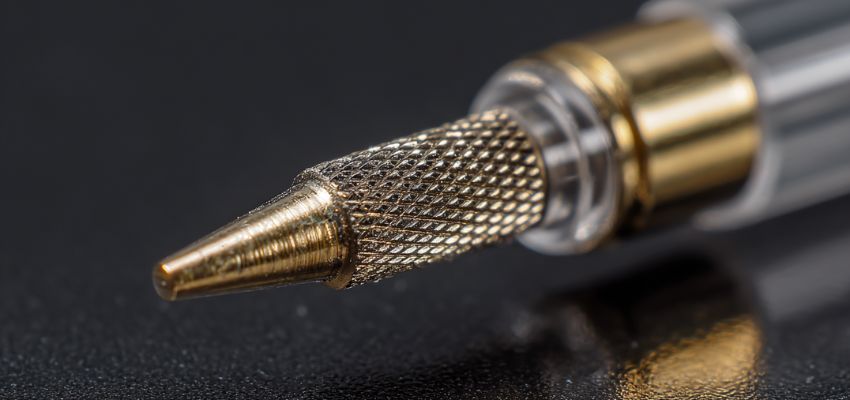
Do your sets last too soon? The cuticle may be the problem. This bit cleans that area. It removes dead skin, so the polish stays longer. Sounds great, right? But here is the twist, too much can harm. Be gentle. This bit is for prep, not deep cuts.
Ask yourself, “Am I too rough?” If yes, slow down. A clean cuticle means better hold and happy clients. This tool is small but very powerful when used with care and skill.
Cone Bit for Many Uses
Want one tool that does more? Try the cone bit. It cleans under nails, sides, and even cuticles. Sounds perfect, right? But wait, not for all jobs. It is not the best for shaping flat nails. Many beginners misuse it. Do you?
Use it where it fits best. Think of it as a helper, not the main tool. With practice, you will know when to use it. Smart use saves time and keeps nails safe and neat.
Tapered Bit for Smooth Work
Do you want smooth and clean nails? The tapered bit can help. It looks like a cone but has a flat top. This bit works on the surface and near edges. It blends and smooths. But here is a tip. Keep your speed low. Why? High speed can cause heat.
That means pain for your client. Not good. Use light pressure and short moves. This bit is great for fill-ins and prep. Want a clean finish? This tool helps you get that soft, smooth look.
Safety Bit for Gentle Care
Are you scared to hurt your client? That is normal. Use a safety bit. This bit has a round top. It protects the skin. Many new techs love this tool. Why? It is safer to learn with. But do not be too bold. Even safe tools can hurt if used incorrectly.
Keep control and stay slow. Ask yourself, “Am I rushing?” If yes, pause. This bit is your friend when you want soft, clean work without stress or fear.
Flame Bit for Skin Work
Do you see dry skin around nails? A flame bit can help. It looks like a tiny flame. It also helps clean edges. But here is a bold truth, this bit can hurt if rushed. Many techs go too fast. Don’t do that. Use soft strokes.
Think of it like brushing, not digging. Want neat and clean edges? This bit is great. Just stay gentle and steady for the best results every time.
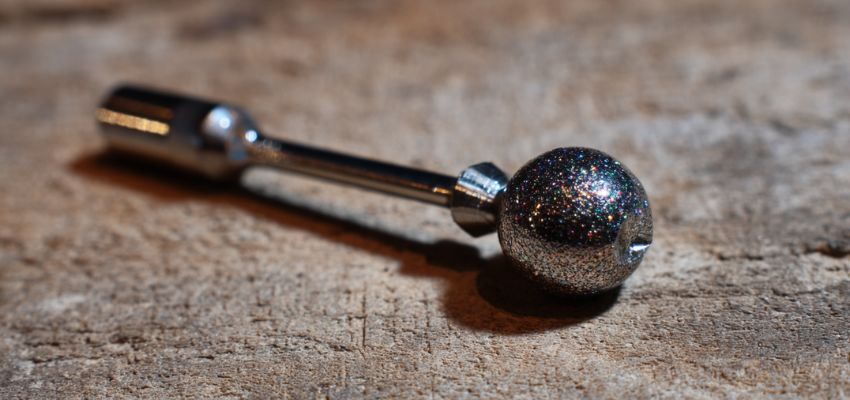
Ball Bit for Final Touch
Do you want that clean, pro finish? Use a ball bit. This bit removes dry skin bits left behind. It smooths the skin around the nail. Small tool, big result. But here is a surprise, many skip this step. That is why work looks rough. Do not skip it.
Take your time. Use light moves. Think of it as polish for the skin. Want soft, pretty nails your clients love? This is your final magic touch.
FAQs
What are the different types of nail drill bits used for?
Each bit has a job. Some shape the nail, some clean, and some remove product. For example, sanding bands are used for quick shaping and surface work. Barrel bits help shorten and smooth acrylic nails. Cuticle bits clean dead skin so polish lasts longer.
What do the different color nail drill bits mean?
Colors on bits show how rough or soft they are. This is called grit level. Light colors mean soft and gentle. Dark colors mean rough and strong. For example, red is fine, blue is medium, and green or black is coarse.
What are the 4 types of drill bits?
First, carbide bits remove acrylic fast. Second, ceramic bits stay cool and are smooth on nails. Third, sanding bands are for quick shaping and are thrown away after use. Fourth, diamond bits are best for cuticle work and gentle cleaning.
What are the different attachments for a nail drill?
Each one fits a task. Barrel bits shape and shorten nails. Cone bits clean edges and under nails. Flame bits remove dead skin. Ball bits smooth the cuticle area. Mandrel bits hold sanding bands. Safety bits protect the skin while working near cuticles.
What is the difference between blue and red nail drill bits?
Red is fine, so it is soft and gentle. It is best for cuticle work and light smoothing. Blue is medium, so it is stronger. It works well for shaping and light product removal. Here is a key question, are you working on skin or acrylic? Use red for skin and blue for nail surface.
Final Thoughts
Nail drill bits may look small, but they do big work. You learned how each bit helps you shape, clean, and smooth nails. At first, it can feel hard and confusing. That is okay. Every nail tech starts there. The key is to go slow, pick the right bit, and keep your hand light.
With practice, you will get better each day.
Lease Salon Space In Boca Raton Florida
Join a vibrant community of beauty professionals when you rent salon space in Boca Raton with us. Whether you’re a hairstylist, nail technician, or esthetician we have a place for you. Joining our salon family means you’re becoming part of a network that values your growth. At our Boca Raton location, you’ll enjoy free cleaning services, flexible lease agreements, and much more. Lease salon space in Boca Raton by reaching out today.

About The Author
Julie Fortuna is the head writer for Salon Suites of Boca Raton’s blog. She has over 7 years of experience writing for beauty professionals and related topics. Stay up to date on the latest fashion trends in the beauty industry by following along.