
How Often Should You Get a Facial? Dermatologist-Backed Guide (2026)

Published June 29, 2026
Facials are more than an occasional treat, they’re an important part of maintaining healthy skin. Professional facial treatments deeply cleanse, exfoliate, hydrate, and target concerns that your daily skincare routine may not fully address. Whether your goal is preventing breakouts, reducing signs of aging, or restoring a healthy glow, the right facial schedule can make a noticeable difference.
So, how often should you get a facial? The answer depends on your skin type, age, skincare habits, and overall skin goals. Here’s what dermatologists and licensed estheticians generally recommend.
How Often Should You Get a Facial?
For most people, a professional facial every 4 to 6 weeks is considered the ideal schedule. Since skin naturally renews itself approximately every 28 days (and more slowly as we age), monthly treatments help remove dead skin cells, improve circulation, and keep your complexion looking its best.
However, there’s no one-size-fits-all answer. Some people benefit from more frequent appointments, while others can maintain healthy skin with treatments every couple of months.
Factors That Affect How Often You Should Get a Facial
Your Skin Type
Your skin type is one of the biggest factors when creating a facial schedule.
Oily Skin
If you have oily or acne-prone skin, facials every 4 to 6 weeks can help remove excess oil, unclog pores, and reduce future breakouts.
Dry Skin
Dry skin benefits from hydrating facials approximately every 6 to 8 weeks to replenish moisture and strengthen the skin barrier.
Combination Skin
Combination skin usually responds well to treatments every 6 weeks, allowing both oily and dry areas to be treated appropriately.
Sensitive Skin
Sensitive skin often requires fewer treatments, typically every 6 to 8 weeks, using gentle products that calm inflammation without irritating the skin.
Your Current Skincare Routine
If you’re already following a consistent skincare regimen with cleanser, moisturizer, sunscreen, and active ingredients like retinol or vitamin C, you may not need facials as frequently. Professional treatments should complement, not replace, your daily routine.
Your Skin Goals
Your facial frequency may increase temporarily if you’re treating:
- Acne or clogged pores
- Hyperpigmentation
- Uneven texture
- Fine lines
- Dehydration
- Sun damage
Once your skin improves, maintenance appointments every month or every other month are often enough.
Facial Recommendations by Skin Concern
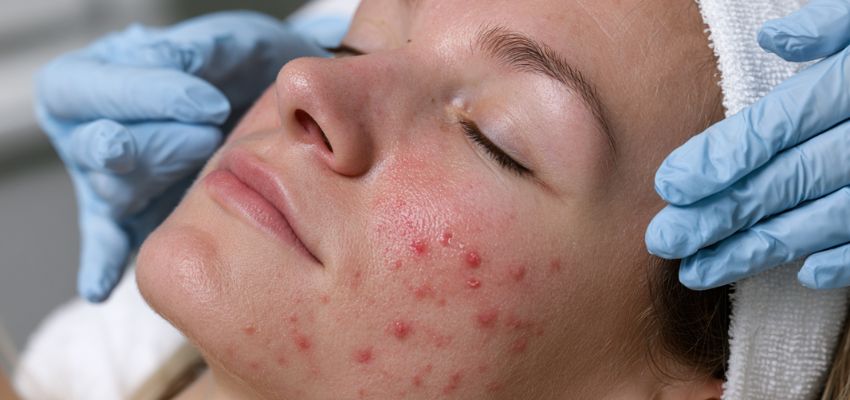
Acne-Prone Skin
For active acne, many skincare professionals recommend starting with facials every 2 to 4 weeks until breakouts are under control. After that, transitioning to monthly maintenance treatments helps keep pores clear and reduces future blemishes.
Anti-Aging
If your primary concern is aging skin, monthly facials can help support collagen production, improve hydration, and soften the appearance of fine lines. Treatments may include ingredients such as peptides, vitamin C, hyaluronic acid, and retinol-based therapies.
Hyperpigmentation
Dark spots and uneven tone typically require consistency. Facials every 4 to 6 weeks, combined with sunscreen and targeted home skincare, often produce the best long-term improvements.
How Often Should You Get a Facial in Your 20s?
Your 20s are all about prevention. Even if your skin appears healthy, regular facials help maintain a clear complexion and prevent future concerns.
For most people, how often should you get a facial in your 20s? A professional facial every 4 to 6 weeks is ideal, especially if you’re managing acne, enlarged pores, or occasional breakouts.
Focus on:
- Deep cleansing
- Gentle exfoliation
- Hydration
- Acne prevention
- Sun damage prevention
How Often Should You Get a Facial in Your 30s?
Many people begin noticing early signs of aging in their 30s, including fine lines, uneven tone, and reduced collagen production.
How often should you get a facial in your 30s?
Most dermatologists and estheticians recommend every 4 to 6 weeks. Monthly treatments can help maintain elasticity while supporting brighter, healthier-looking skin.
Recommended treatments include:
- Vitamin C facials
- Hydrating facials
- Mild chemical exfoliation
- Collagen-boosting treatments
How Often Should You Get a Facial in Your 40s?
Collagen loss becomes more noticeable during your 40s, making consistency even more important.
How often should you get a facial in your 40s?
Monthly facials remain the standard recommendation. Regular treatments can improve hydration, support skin firmness, and minimize the appearance of wrinkles and age spots.
Popular options include:
- LED light therapy
- Peptide treatments
- Firming facials
- Microcurrent facials
- Hydrating masks
How Often Should You Get a Facial in Your 50s?
As skin naturally becomes thinner and drier, treatments should prioritize nourishment and skin barrier support.
How often should you get a facial in your 50s?
Most professionals recommend scheduling a facial every 6 to 8 weeks, although some individuals continue with monthly appointments depending on their skin’s condition and goals.
Look for treatments focused on:
- Deep hydration
- Skin barrier repair
- Collagen stimulation
- Brightening dull skin
- Improving elasticity
How Long Do Facial Results Last?
Most facial results last between 3 and 6 weeks, depending on the treatment and your skincare routine.
You may notice immediate improvements such as:
- Brighter skin
- Better hydration
- Smoother texture
- Reduced congestion
- Improved product absorption
Results last longer when you:
- Wear sunscreen every day
- Stay hydrated
- Follow a consistent skincare routine
- Avoid smoking
- Use dermatologist-recommended products
Signs You Need a Facial
Not sure if it’s time to book your next appointment? Your skin often provides clear signals.
Common signs include:
- Dull or tired-looking skin
- Frequent breakouts
- Enlarged or clogged pores
- Rough texture
- Excess oil production
- Dry, flaky patches
- Uneven skin tone
- Makeup sitting poorly on the skin
If you’ve noticed several of these symptoms, a professional facial may help restore your skin’s balance.
When NOT to Get a Facial
Although facials are safe for most people, there are situations where postponing treatment is the better choice.
Avoid scheduling a facial if you have:
- Active sunburn
- Open cuts or wounds
- Severe eczema flare-ups
- Active cold sores
- Skin infections
- Recent facial surgery
- Recently received certain cosmetic procedures unless cleared by your provider
If you’re using prescription acne medications or have a chronic skin condition, consult your dermatologist before booking a facial.
Cost of Facials
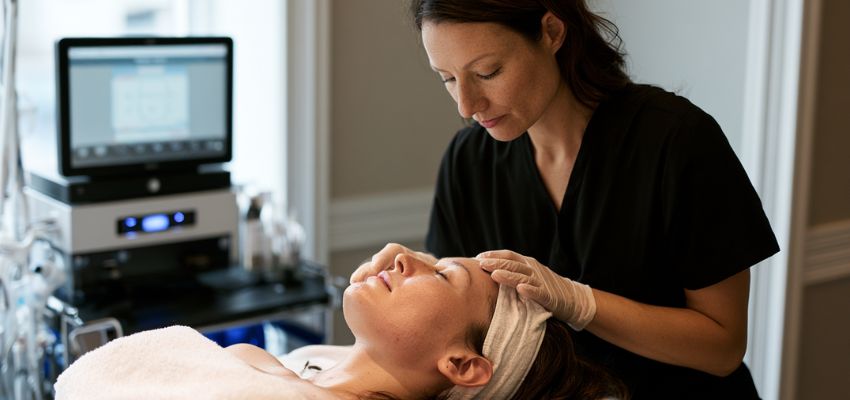
Facial prices vary based on your location, provider, and the type of treatment performed.
Typical price ranges include:
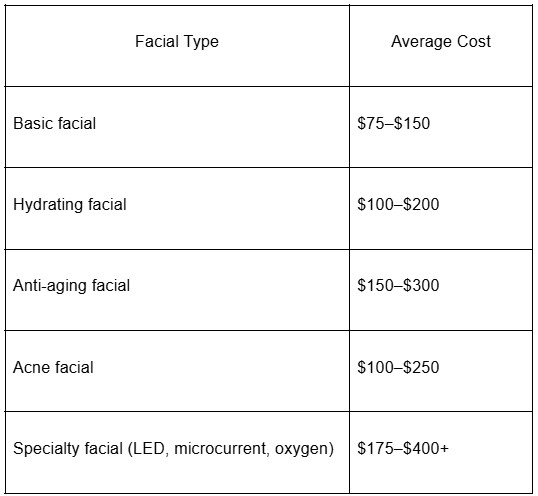
While premium treatments cost more, consistency is generally more beneficial than choosing the most expensive facial available.
Frequently Asked Questions
How often should you get a facial?
Most people benefit from a professional facial every 4 to 6 weeks, which aligns with the skin’s natural renewal cycle. Your ideal schedule may vary depending on your skin type, age, and skincare goals.
Can you get facials too often?
Yes. Over-treating the skin can cause irritation, redness, dryness, and a weakened skin barrier. Unless directed by a skincare professional, weekly facials are usually unnecessary.
Are facials worth it?
Professional facials can improve skin texture, hydration, circulation, and overall appearance while helping address concerns like acne, congestion, and signs of aging when combined with a consistent home routine.
Should men get facials?
Absolutely. Men’s skin experiences many of the same concerns, including clogged pores, oiliness, razor irritation, and aging. Regular facials can improve skin health regardless of gender.
Can facials help with acne scars?
Certain treatments, including chemical exfoliation, microneedling, and collagen-stimulating facials, may improve the appearance of mild acne scars over time. Multiple sessions are usually needed for noticeable results.
Do I still need a facial if I have a good skincare routine?
Yes. Even with an excellent at-home regimen, professional facials provide deeper cleansing, extractions, advanced exfoliation, and treatments that cannot be safely performed at home.
Final Thoughts
Determining how often you should get a facial isn’t simply about following a calendar, it’s about understanding your skin’s unique needs. While a facial every four to six weeks is ideal for many people, factors like age, skin type, and specific concerns should guide your schedule.
Whether you’re wondering how often you should get a facial in your 20s, 30s, 40s, or 50s, consistency is far more important than occasional treatments. Pairing professional facials with a personalized daily skincare routine is one of the most effective ways to maintain healthy, radiant skin for years to come.
Looking for Salon Suites in Boca Raton?
If you’re an esthetician, skincare specialist, or beauty professional looking to grow your business, Salon Suites Boca offers modern, fully equipped salon suites in a prime Boca Raton location. Enjoy flexible lease terms, professional amenities, and the freedom to build your own brand in a supportive beauty community.
Contact us today to learn more about leasing your own salon suite.
Lease Salon Space In Boca Raton Florida
Join a vibrant community of beauty professionals when you rent salon space in Boca Raton with us. Whether you’re a hairstylist, nail technician, or esthetician we have a place for you. Joining our salon family means you’re becoming part of a network that values your growth. At our Boca Raton location, you’ll enjoy free cleaning services, flexible lease agreements, and much more. Lease salon space in Boca Raton by reaching out today.

About The Author
Julie Fortuna is the head writer for Salon Suites of Boca Raton’s blog. She has over 7 years of experience writing for beauty professionals and related topics. Stay up to date on the latest fashion trends in the beauty industry by following along.